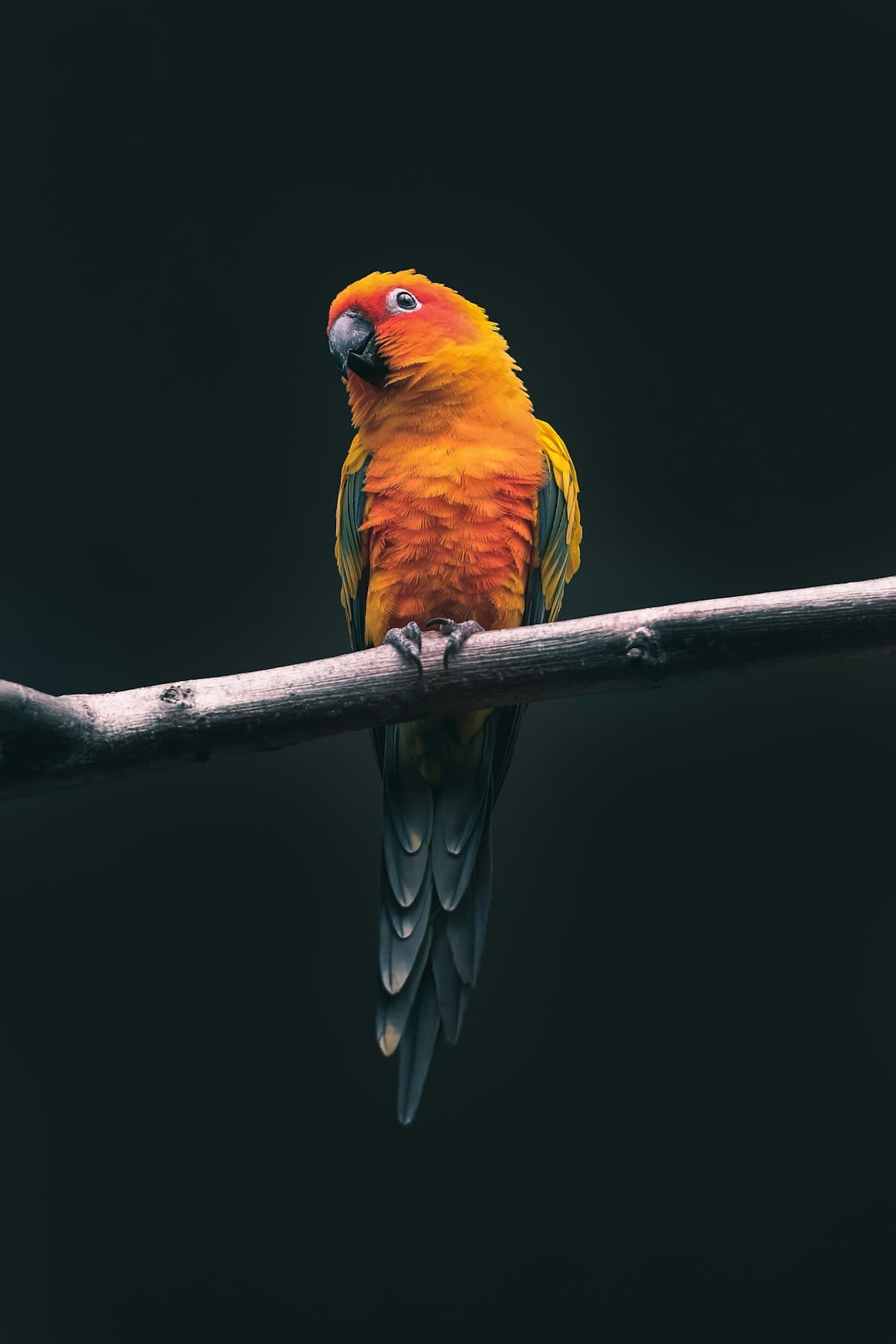
Handing your bird to someone else for a week is an act of trust. A dog can shrug off an off day at the kennel; a bird is far more sensitive, and far better at hiding when something is wrong. That is why choosing the right boarder matters more for birds than for almost any other pet.
The challenge is that "we take birds too" is something a lot of general pet sitters will say, even if their real expertise is dogs and cats. Birds have specific needs around diet, temperature, fumes, light cycles, and handling, and a place that does not understand those can unintentionally cause harm. Here is how to tell a genuine avian specialist from someone simply willing to take the booking.
The questions worth asking
A confident, bird-savvy boarder will welcome these questions rather than deflect them:
- How much hands-on experience do you have with birds, and with my bird's species in particular?
- What does a typical day look like — how much out-of-cage time, enrichment, and social interaction?
- How do you keep birds safe from kitchen fumes, scented products, and temperature swings?
- Can you administer medication, and is there an extra charge for it?
- What is your emergency plan, and which avian vet do you work with?
- Will I receive updates while I'm away, and how often?
Green flags to look for
The encouraging signs are usually easy to spot once you know to look for them. A great boarder asks youjust as many questions as you ask them — about your bird's diet, quirks, fears, and favourite things — because they genuinely want to recreate the routine your bird knows. They keep birds well away from non-stick cookware, aerosols, candles, and scented cleaners, all of which can be dangerous to sensitive avian lungs. They send daily photos or videos without being chased for them. And they speak about birds with the kind of specific, affectionate detail that only comes from real experience.
Red flags to take seriously
Some warning signs deserve a polite no-thank-you. Be cautious of anyone who is vague about their bird experience, brushes off your questions about fumes and diet, or cannot describe a clear emergency plan. A boarder who treats birds as just another animal in a mixed kennel, houses them near loud dogs, or seems unaware that everyday household items can be toxic to birds is not the right fit — no matter how convenient the location or how low the price.
Specialist beats generalist
For birds, dedicated avian care almost always beats a general pet-sitting operation. A specialist understands that a sulphur-crested cockatoo and a pair of finches need completely different things, that a sudden drop in appetite is worth watching closely, and that the right amount of darkness is not optional. That depth of knowledge is the difference between a bird that is merely kept alive and one that is genuinely well cared for. If you want to understand the people and philosophy behind a service, our about page is a good example of the kind of openness you should expect.
Trust the handover, then trust your gut
A thorough drop-off is one of the clearest signs you have chosen well. If a boarder takes detailed notes, asks about your bird's personality, and makes you feel heard, that care will carry through the whole stay. And if something simply feels off during your first conversation, listen to that instinct — there is always another option.
We built our service around exactly the standards above: bird-only care, daily updates, fume-free spaces, and routines tailored to each bird. If you would like to see how we work, explore our services or get in touch and ask us anything — good questions are always welcome here in Mississauga.