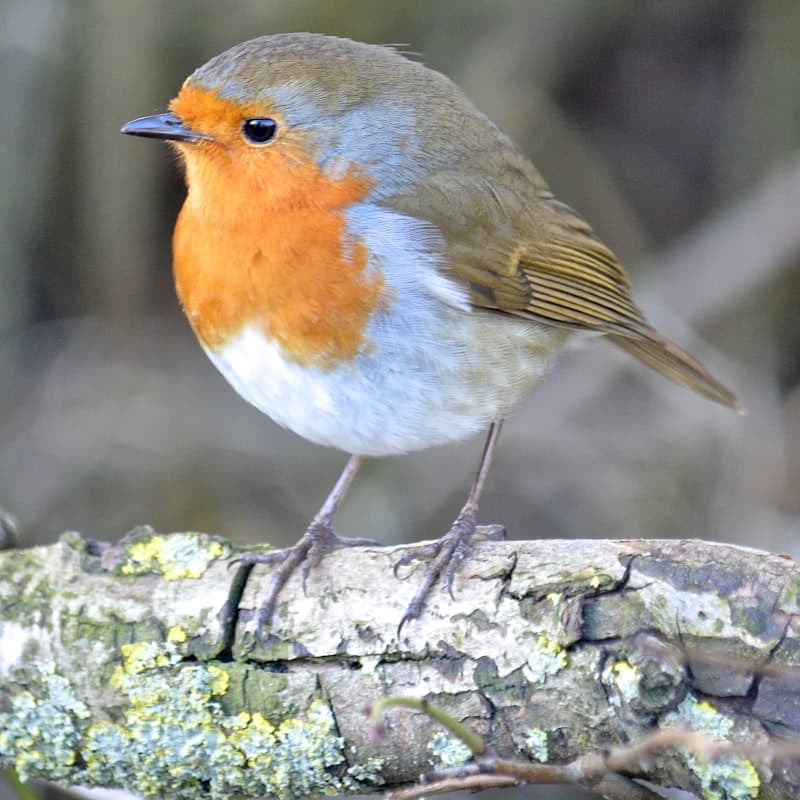
Diet is the single biggest lever you have over your bird's long-term health, and it is also where well-meaning owners make the most mistakes. Most of us know birds eat seeds and fruit, but the details — which everyday foods are genuinely dangerous, and which are fine in moderation — are where it pays to be sure. Here is a practical guide to what is safe to share, what to limit, and what your bird should never touch.
Everyday foods that are safe and healthy
Fresh produce should make up a meaningful part of most companion birds' diets, alongside a quality pellet. Dark leafy greens are some of the best things you can offer — kale, Swiss chard, dandelion greens, and romaine are rich in the vitamins and calcium birds need. Beyond greens, most birds happily eat:
- Vegetables: carrots, bell peppers, broccoli, sweet potato (cooked), peas, squash, and zucchini.
- Fruits: apple (no seeds), banana, berries, melon, mango, papaya, and pear.
- Cooked whole grains and legumes: brown rice, quinoa, plain cooked beans, and lentils.
Introduce new foods gradually and do not be discouraged if your bird is suspicious at first — many birds need to see a new food several times before they try it. Offering items chopped, grated, or skewered can spark curiosity.
Treats and foods to offer in moderation
Seeds and nuts are calorie-dense and high in fat. They make excellent training rewards and occasional treats, but a diet built mainly on seed leads to obesity and nutritional gaps over time. Keep them to a small share of the day's food and use them for bonding and enrichment rather than as a staple. A cuttlebone or mineral block is a safe, self-regulating source of calcium for birds that need it.
Foods that are dangerous — never feed these
A handful of common foods are genuinely toxic to birds, some of them seriously so even in small amounts. Keep these well away from your bird:
- Avocado — contains persin, which can be fatal to birds.
- Chocolate and caffeine — toxic to the heart and nervous system.
- Alcohol — never, in any quantity.
- Onion and garlic — can damage red blood cells over time.
- Fruit pits and apple seeds — contain trace cyanide compounds; remove them first.
- Salt, sugary foods, and fried or heavily processed snacks — hard on a small body and best avoided entirely.
- Xylitol and other artificial sweeteners — found in gum and "sugar-free" products, and not safe for birds.
When you are unsure about a new food, the safe move is to skip it until you have checked with your avian vet. There is no treat worth a trip to emergency care.
Do not forget the water
Fresh, clean water should always be available, and dishes should be washed and refilled at least twice a day — birds drop food and droppings into their water constantly. Clean water is as much a part of good nutrition as the food itself.
How this fits a boarding stay
A boarding stay is never the time to overhaul a bird's diet. When birds stay with us we keep their menu exactly as it is at home, which is why we ask you to send their usual food and a note on the fresh items they actually eat. A bird that keeps eating normally is a bird that is settling well, and the easiest way to keep them eating is to keep the food familiar. Our guide to preparing your bird for boarding covers exactly what to pack.
Get the diet right and most of the hard work of bird care is done. If you have a trip coming up and want your bird's routine kept exactly as it is at home, take a look at our bird boarding and grooming services or get in touch and tell us what your bird eats so we can plan their stay here in Mississauga.